
Feel It In Your Gut! (Part 2)
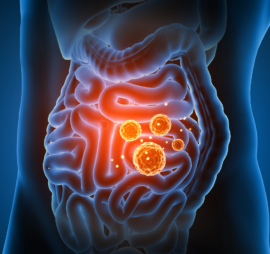
Communication Highways: The gut and brain communicate bidirectionally via various pathways, including the vagus nerve, neurotransmitters, and immune molecules. This communication network, often referred to as the gut-brain axis, allows signals generated in the gut to influence brain function and vice versa. For example, gut microbes produce neurotransmitters like serotonin and dopamine, which play key roles in regulating mood and emotion. Additionally, the gut microbiome interacts with the immune system, producing compounds that can affect brain health and inflammation levels.
Diet plays a significant role in shaping the composition and function of the gut microbiome. Consuming a diet rich in fiber, fruits, vegetables, and fermented foods provides essential nutrients for beneficial gut bacteria and promotes microbial diversity. On the other hand, diets high in processed foods, sugar, and saturated fats can disrupt the balance of the microbiome and contribute to inflammation, oxidative stress, and mood disorders.
This is general information, not medical advice. Talk to your provider before changing your diet, exercise or medication. Read our medical disclaimer.